
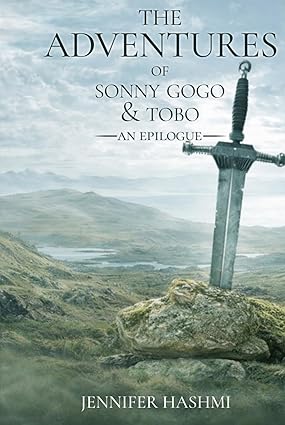
Stories that linger are the ones that mix wonder with meaning. Sonny Gogo and Tobo: An Epilogue does exactly that. It invites readers into a world of hidden portals, restless spirits, and moral choices that shape entire societies. At its core, this epilogue is not just an adventure; it is a quiet lesson on responsibility, truth, and redemption.
A World Beyond Escape: The Emotional Core
The story begins with Sonny, no longer a carefree child but a young leader facing a deeper struggle for purpose. Despite living in an ideal, balanced world, he feels restless. This emotional tension sets the tone.
Instead of glorifying fantasy, the narrative asks a real question: What happens when peace feels empty?Sonny’s longing reflects a human truth that comfort without purpose can lead to dissatisfaction. This grounding makes the magical journey that follows feel personal rather than distant.
The Iron Ring: A Symbol of Choice
The mysterious iron ring hidden in the palace tunnels acts as more than a plot device. It represents curiosity and risk. When Sonny and his companions choose to turn it, they step into the unknown, literally and morally.
This moment highlights a key idea: progress begins when someone is willing to question what is hidden. The ring is simple, almost ordinary, yet it unlocks a reality that demands courage. It reminds readers that meaningful change often starts with small, brave actions.
Ghosts as Consequences, Not Creatures
One of the most striking elements in the story is the presence of “ghosts.” These are not traditional haunting figures meant to scare. Instead, they symbolize unresolved guilt and injustice.
The characters encounter people trapped in a recurring moment, celebrating endlessly and disconnected from reality. This is powerful. It suggests that those who benefit from wrongdoing, even indirectly, cannot move forward until the truth is restored.
This portrayal shifts the idea of ghosts from fear to consequence. It asks readers to consider: What happens when people ignore injustice? The answer is subtle but clear stagnation.
Time Travel with Purpose
The accidental journey into the past is not just a fantasy twist. It serves a clear narrative function. The group discovers a historical injustice: a rightful system overturned by greed and deception.
Instead of watching passively, they act. They recover evidence, restore ownership, and correct what was broken. This transforms the story from exploration to responsibility.
The message is direct: understanding the past is not enough; action must follow. This approach makes the narrative both engaging and meaningful, especially for younger readers learning about fairness and accountability.
Redemption Through Action
Redemption in the story does not come through apology or regret. It comes through correction. Once the truth is uncovered and justice is restored, the ghostly presence disappears.
This is a strong, problem-solving theme. It teaches that fixing a mistake requires effort, not just awareness. The characters do not wait for someone else to intervene; they take initiative.
For readers, this reinforces a practical lesson: when something is wrong, taking responsibility matters more than avoiding discomfort.
Relationships That Reflect Growth
Alongside the mystery, the story quietly develops relationships, especially between Sonny and Tania. Their connection grows through shared risk, trust, and collaboration.
This is important. The bond does not form through ideal conditions but through uncertainty and challenge. It mirrors real human experience, where meaningful relationships often develop during difficult moments.
The story avoids exaggeration and instead presents connection as something earned, not given.
A Biased but Valuable Perspective
The narrative clearly favors integrity, fairness, and courage. It does not stay neutral on moral issues, and that works in its favor. Taking a strong stance against greed and injustice provides clarity for readers.
This bias supports problem-solving. It does not leave readers wondering what is right; it shows them through action and outcome. In a world where stories often blur moral lines, this clarity stands out.
Why This Story Matters Today
Although set in a fictional world, the themes feel relevant. Systems that fail people, leaders who exploit power, and individuals who feel disconnected from purpose are not imaginary problems.
The story offers a simple but powerful takeaway: change begins when individuals choose to act with integrity.
It also highlights the importance of balance. A perfect system without engagement leads to boredom, while action without ethics leads to harm. The ideal lies in responsibility paired with awareness.
Final Thoughts
Sonny Gogo and Tobo: An Epilogue succeeds because it blends imagination with meaning. It does not rely on spectacle alone. Instead, it builds a story where every mystery, ghost, teleportation, and hidden ring serves a deeper purpose.
For readers, especially young ones, it offers more than entertainment. It provides a framework for thinking about justice, relationships, and personal responsibility.
In the end, the real mystery is not the portal or the ghosts. It is how individuals choose to respond when they uncover the truth, and that is where the story leaves its strongest impact.